Category: Partnership

Partnership

CATIP-U WELCOMES A NEW BOARD OF DIRECTORS
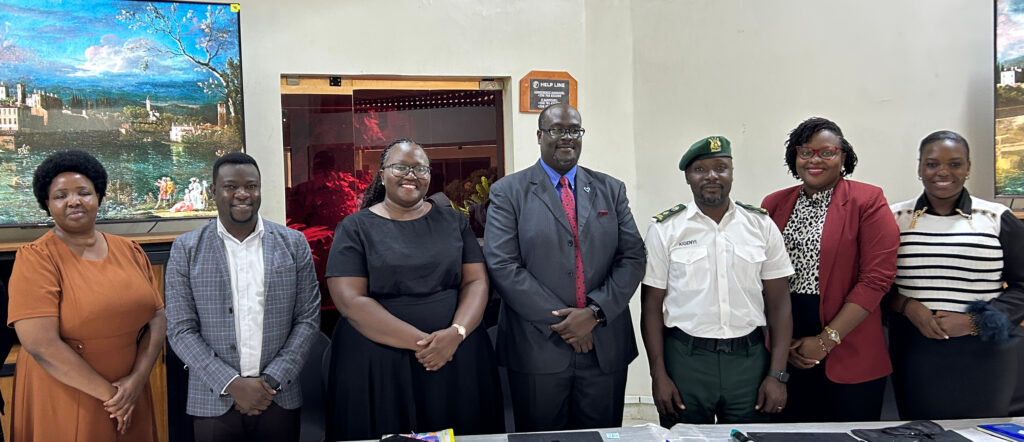
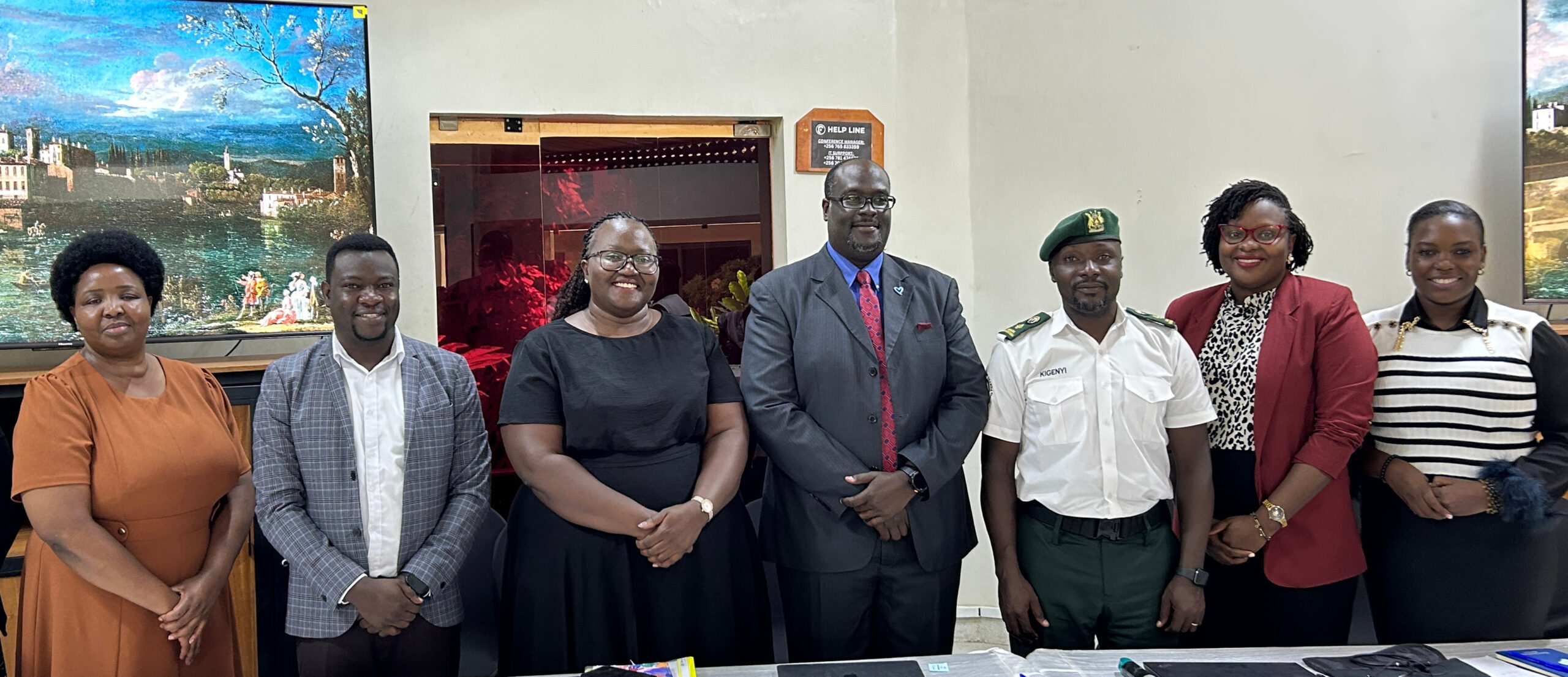
Following our Annual General Meeting held on 24th July 2025 in Kampala, Uganda. The CATIP-U community is pleased to announce the installation of the new Board of Directors for the Coalition Against Trafficking in Persons – Uganda (CATIP-U). This new leadership team will serve a three-year term from 2025 to 2028, steering the coalition towards its mission to end human trafficking and exploitation in Uganda.

This new board of directors is composed of the following distinguished professionals who bring a wealth of experience and strategic leadership. 

Damon Wamara – Board Chairperson
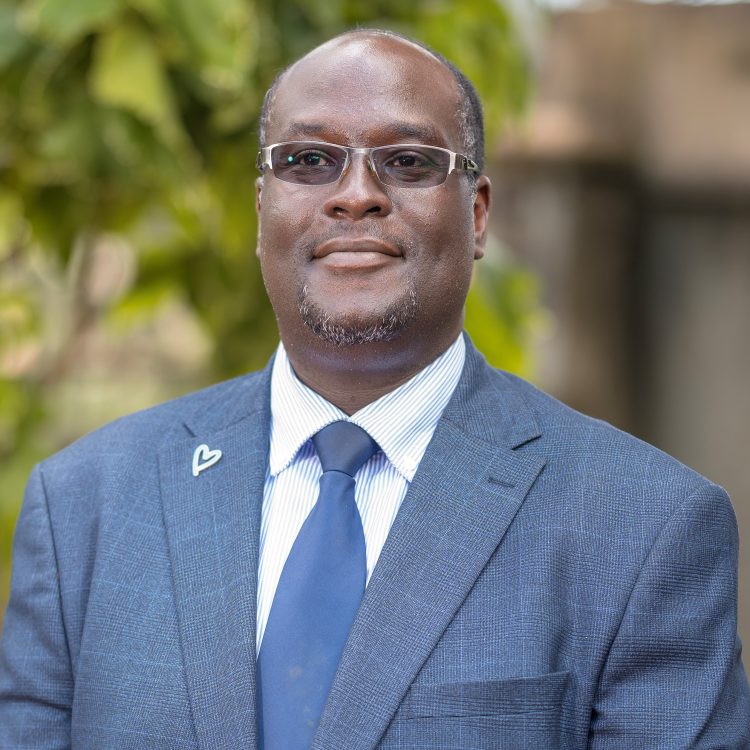
Damon is the Executive Director of Uganda Child Rights NGO Network (UCRNN), working with over 200 child rights organizations impacting more than 13 million children across Uganda and beyond. With extensive experience in child advocacy, Damon sits on the National Taskforce on Prevention of Trafficking in Persons and various advisory boards, including previously serving as the Vice Chairperson of CATIP-U. A recipient of the 2020 U.S. Department of Labor Iqbal-Masih Award and nominee for the European Union Human Rights Award, Damon brings a decade of expertise in child protection, anti-trafficking, and advocacy. He holds a Master’s in International Relations and Diplomacy and a Bachelor’s degree in Ethics and Development Studies from Uganda Martyrs University. 

Monica Kyamazima – Vice Chairperson

Monica serves as Country Director for Willow International (Everfree – Uganda). She is a dynamic leader with over thirteen years of experience in law and senior management, dedicated to advancing survivor-centered anti-trafficking initiatives. Monica has led program expansions, advocacy efforts, capacity building, and policy influence, fostering collaborations with government, civil society, and international agencies. Known for her ethical and inclusive leadership style, she is committed to creating a world free from exploitation where survivors reclaim their dignity.

Florence Soyekwo – Treasurer
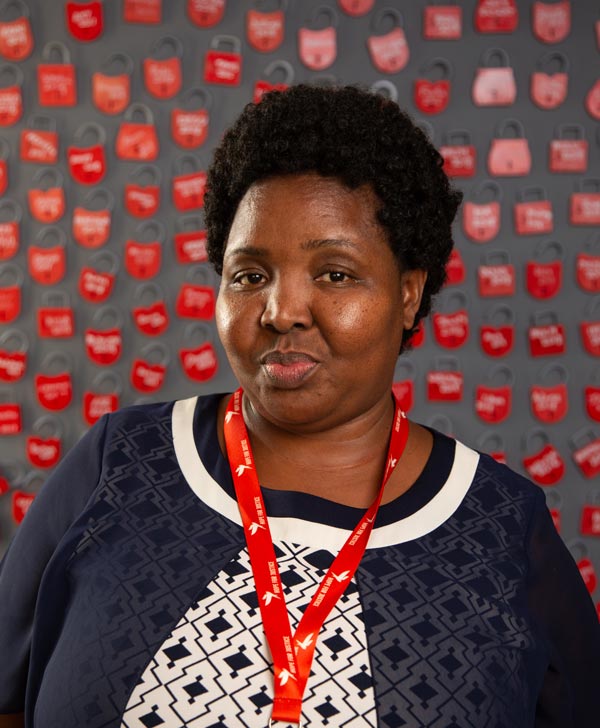
Florence is a seasoned accountant with over 26 years of progressive experience in NGO financial management. Currently Country Director at Hope for Justice Uganda, she leads trauma-informed care services for trafficking survivors and supports prevention efforts nationwide. Florence has played a key role in multi-agency coordination and represents her organization in national forums, including the National Taskforce Committee on Prevention of TIP. She has served as CATIP-U Treasurer since 2022.

Julia Zabbu – Board Member

Julia Zabbu is a Ugandan lawyer and advocate of the High Court of Uganda. Her career and service in the humanitarian space spans over 10 years. Julia understands the importance of coalition building having served two coalitions previously. She is the Legal Programs Coordinator at the Human Trafficking Institute (HTI). Previously, Julia served as a legal aid lawyer at International Justice Mission (IJM) and Refugee Law Project of Makerere University(RLP), a law lecturer at Uganda Christian University and a member of the Legal Aid Committee of the Uganda Law Society. Julia holds a Bachelor of Laws Degree from Uganda Christian University, a Post Graduate Diploma in Legal Practice from the Law Development Center and a Master of Laws Degree from the Georgetown University Law Center.

Grace Mukwaya – Board Member

Grace is Executive Director of Platform for Labour Action (PLA) and an expert in human rights, democracy, and governance. With academic credentials including law and urban planning from Makerere University and University of Pretoria, Grace champions social protection and rights of vulnerable workers. She brings over ten years of leadership and program management experience and serves on multiple regional and global youth forums.

Phiona Namazzi – Board Member

Phiona is a Programs Management Consultant and Accountant with practical experience in anti-trafficking program planning, resource mobilization, advocacy, and victim response. She currently manages prevention programs at Rahab Uganda and is pursuing a Master’s in Development Monitoring and Evaluation at Uganda Christian University. Her background is complemented by strong church ministry engagement and leadership in youth and women’s fellowship initiatives. 


Emmanuel Wataka – Board Member
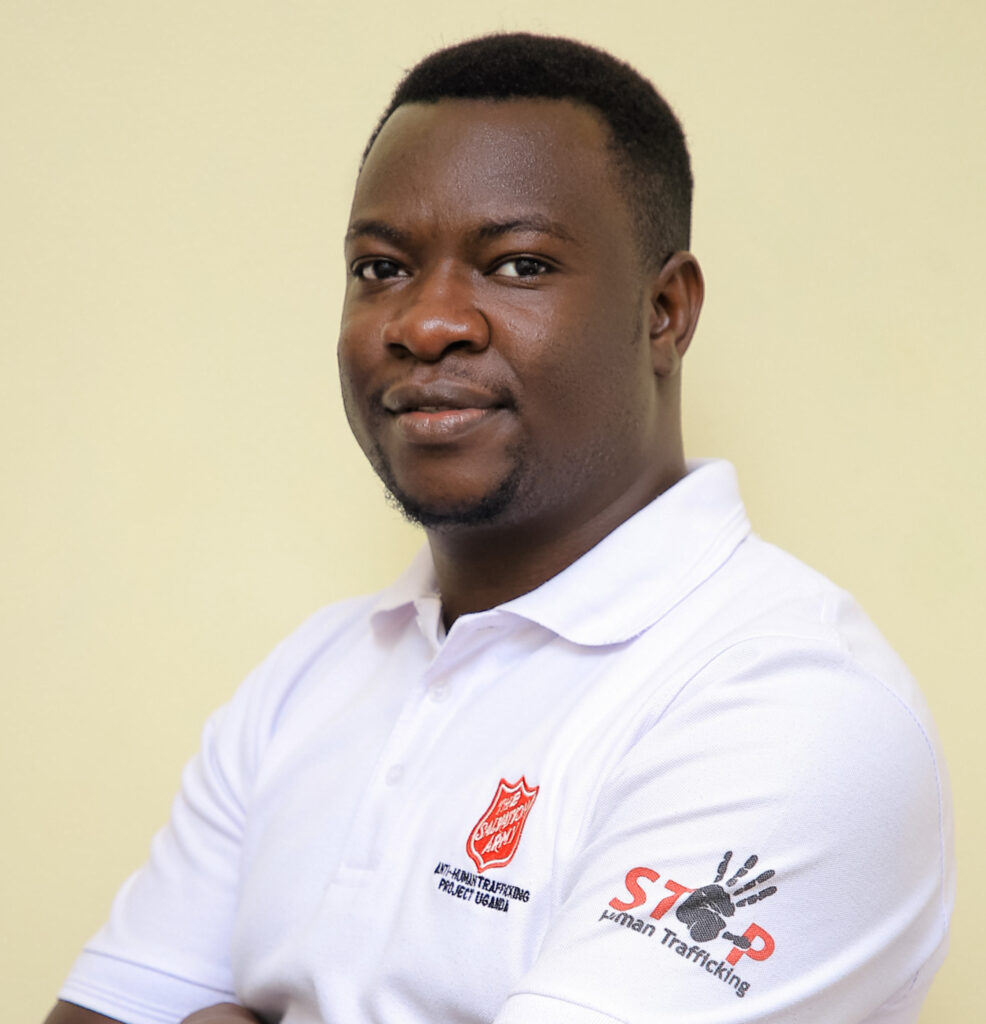
Emmanuel is a lawyer and accomplished project manager with a solid track record in human rights, anti-trafficking, and organizational leadership. He holds a Master of Laws (LLM) and a postgraduate diploma in project management, combining legal expertise with practical experience in development work. As the National Contact Person and Project Manager for The Salvation Army in Uganda, he leads national anti-human trafficking initiatives ranging from legal advisory and policy advocacy to victim support, stakeholder coordination, and reintegration programming. His work with international partners such as the Red Rope Movement and Do Bold contributed to shaping impactful responses that are survivor-centered and sustainable. Emmanuel’s leadership extends beyond national borders. He serves as Deputy Chairperson of the Zonal Council for The Salvation Army Africa Zone and is a Legal Representative on the International Council on Human Trafficking, where he provides strategic legal insight into global anti-trafficking frameworks. He is also a Board Member at Footprint to Freedom, where he actively contributes to the organization’s strategic development and governance, with a focus on survivor reintegration and community- based solutions. In addition, he holds a key governance position as Board Secretary on the Salvation Army’s Territorial Governance Board, ensuring accountability, compliance, and effective coordination at the highest level of the organization. 

The CATIP-U community extends its profound gratitude to the outgoing Board, chaired by Dr. Annette Kirabira, for their exemplary leadership and commitment. Dr. Kirabira’s tenure as Board Chair in the years 2021- 2025 was marked by substantial advancements in trauma-informed care, multi-sectoral collaboration, and enhanced policy advocacy that have significantly contributed to strengthening CATIP-U’s influence and impact nationwide. Their vision and dedication have laid a strong foundation for the new Board to build upon.

The installation of this new Board marks a pivotal moment for CATIP-U. With diverse expertise ranging from child rights advocacy, legal expertise, survivor-centered program leadership, financial stewardship, to strategic governance, this team is uniquely positioned to accelerate the coalition’s mission. They will steward enhanced coordination, foster robust partnerships, advocate for legislative reforms, and scale survivor support interventions across Uganda.

Rooted in the coalition’s strategic pillars of communication excellence, strategic partnering, and capacity building, the new Board is committed to driving innovative solutions, promoting transparency, and ensuring CATIP-U remains a unified, influential voice against human trafficking.

Together, with renewed leadership and shared commitment, CATIP-U is set to continue advancing towards a Uganda free from human trafficking and exploitation, ensuring dignity and protection for all vulnerable populations.

About CATIP-U
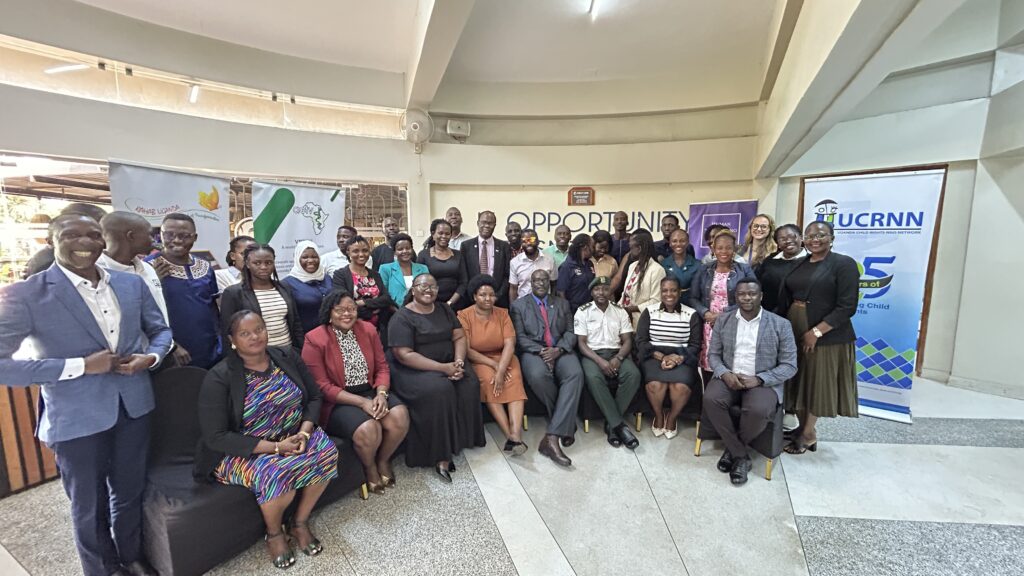
The Coalition Against Trafficking in Persons-Uganda (CATIP-U) is a dynamic membership alliance of over 40 civil society organizations unified by the mission to end human trafficking and its debilitating effects within and beyond Uganda’s borders. Established as a formal coalition in 2019 under Uganda’s Registration Bureau, UCATIP emerged as a coordinated national platform that synergizes diverse expertise and resources to maximize impact in the fight against trafficking in persons (TIP). Our member organizations, ranging from national and international NGOs to advocacy groups, specialize in civic technology, education, gender-based violence prevention, sexual and commercial exploitation of children, legal aid, capacity building, and direct survivor support.

CATIP-U’s strength lies in its collective approach to fully implement and coordinate the 4Ps framework—Prevention, Protection, Prosecution, and Partnerships—guided by the Prevention of Trafficking in Persons Act (PTIP) 2009 and aligned with Sustainable Development Goal 8.7. By fostering research, advocacy, strategic partnerships, and coordinated service delivery, UCATIP acts as a knowledge hub and a powerful voice for civil society engagement on trafficking issues. We prioritize a survivor-centered methodology, ensuring that all programs and policies uphold the safety, dignity, and rights of persons at risk and survivors of trafficking.
Partnership

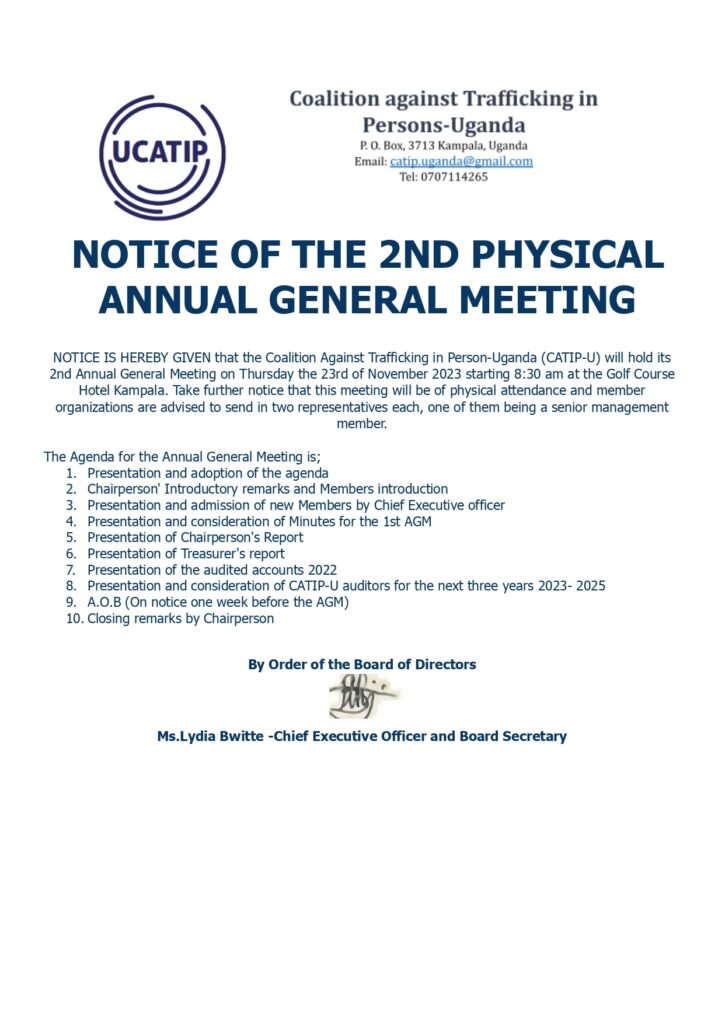
NOTICE OF THE 2ND PHYSICAL ANNUAL GENERAL MEETING

NOTICE IS HEREBY GIVEN that the Coalition Against Trafficking in Person-Uganda (CATIP-U) will hold its
2nd Annual General Meeting on Thursday the 23rd of November 2023 starting 8:30 am at the Golf Course Hotel Kampala. Take further notice that this meeting will be of physical attendance.
The Agenda for the Annual General Meeting is;

  1. Presentation and adoption of the agenda
  2. Chairperson’ Introductory remarks and Members introduction
  3. Presentation and admission of new Members by Chief Executive officer
  4. Presentation and consideration of Minutes for the 1st AGM
  5. Presentation of Chairperson’s Report
  6. Presentation of Treasurer’s report
  7. Presentation of the audited accounts 2022
  8. Presentation and consideration of CATIP-U auditors for the next three years 2023- 2025
  9. A.O.B (On notice one week before the AGM)
  10. Closing remarks by Chairperson
PartnershipPreventionProsecutionProtection

Collaborative Efforts to Combat Human Trafficking: Insights from the 2023 U.S TIP Report

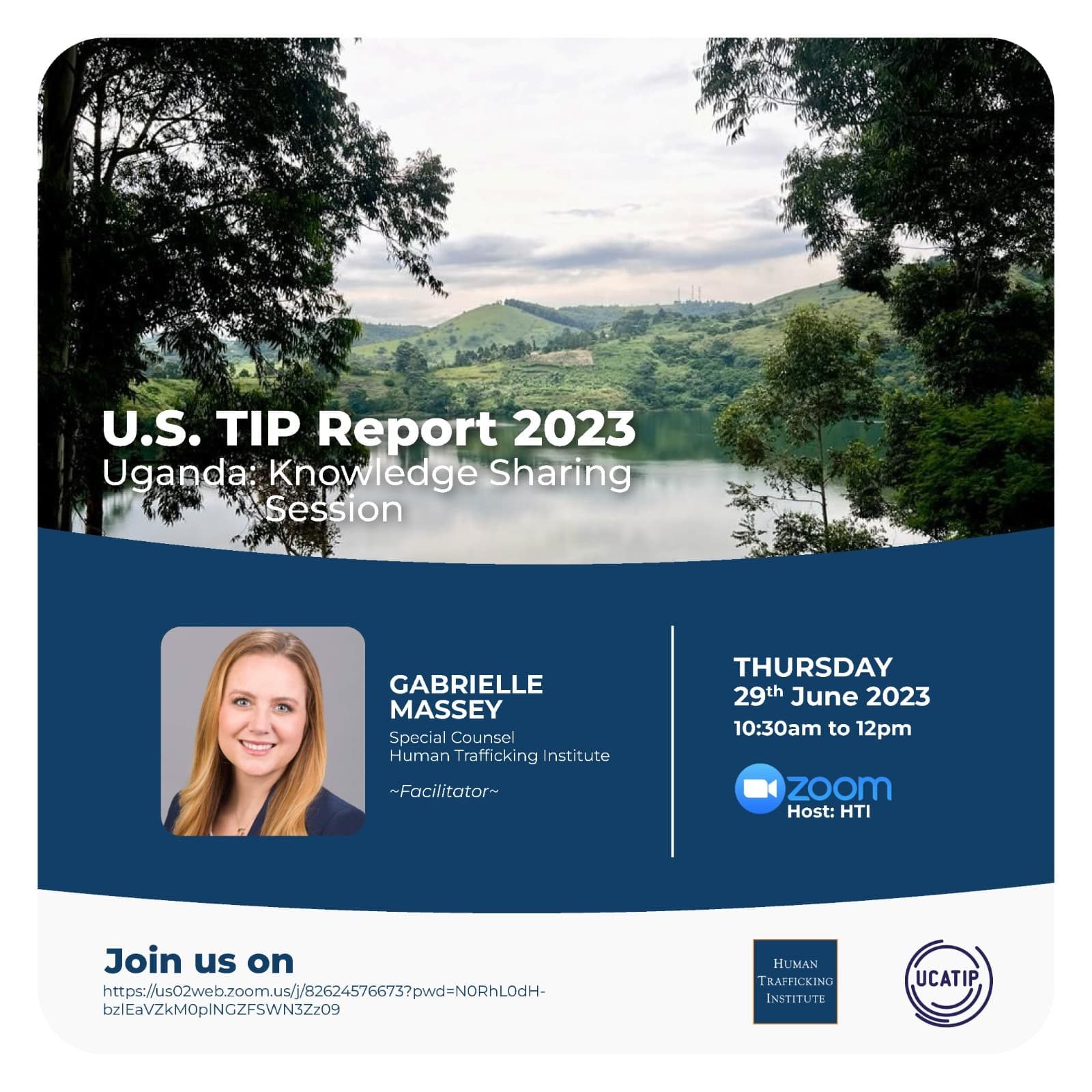
In June, the Coalition Against Trafficking in Persons-Uganda (CATIP-U) partnered with the Human Trafficking Institute to host a knowledge-sharing session and exchange. This online session was centred around the release of the 2023 U.S. Trafficking in Persons (TIP) Report, a key annual publication that sheds light on the state of human trafficking across the globe. The session aimed to deepen Ugandan stakeholder’s understanding of Uganda’s position in the fight against trafficking and chart a path forward for collective action.

For over two decades, the U.S. TIP Report has been an essential tool in the arsenal of anti-trafficking advocates worldwide. It provides a comprehensive overview of human trafficking, ranking countries through a tier system based on their anti-trafficking efforts. This system not only serves as a benchmark for nations to measure their progress but also offers a framework for enhancing responses to human trafficking. The 2023 report, like its predecessors, plays a pivotal role in informed decision-making, coordination among stakeholders, and identifying growth opportunities.

Despite the immense challenges posed by the COVID-19 pandemic, Uganda retained its Tier 2 status in the 2023 U.S. TIP Report, a testament to its unwavering commitment to combating human trafficking. This achievement underscores Uganda’s resilience and dedication to improving its standing in the global fight against trafficking.

The 2023 U.S. TIP Report lauded Uganda for several noteworthy achievements in its anti-trafficking efforts, including:

  1. Record-breaking trafficker convictions in a single year, marking a significant milestone in the region’s fight against trafficking.
  2. A remarkable increase in human trafficking prosecutions, demonstrating an escalated enforcement drive.
  3. Strengthened training initiatives for government officials and community leaders, fostering improved coordination.
  4. The creation of child-friendly interview rooms and the introduction of anonymous victim testimony, prioritizing victim rights and confidentiality.
  5. The pioneering establishment of District Task Forces for tracking persons, promoting a collaborative approach.
  6. Inauguration of a 24-hour toll-free hotline for reporting trafficking incidents, encouraging citizen engagement in the fight against trafficking.

The 2023 report’s recommendations provided a blueprint for actionable steps to further enhance Uganda’s anti-trafficking efforts. These recommendations included:

  1. Expanding the availability of shelters, housing, and specialised services for trafficking victims.
  2. Enacting victim witness assistance legislation and implementing comprehensive assistance programmes.
  3. Strengthening protective measures for Ugandan trafficking victims exploited abroad.
  4. Deepening the partnership between law enforcement and prosecutors to expedite judicial proceedings and enhance evidence gathering.
  5. Bolstering efforts to investigate and prosecute alleged traffickers, with a focus on just penalties
  6. Systematic victim identification through the implementation of referral guidelines
  7. Rigorous oversight and regulation of labour recruitment entities
  8. Approving the establishment of an anti-trafficking department within the national police force, underpinned by sufficient funding
  9. Ratifying the 2000 Human Trafficking in Persons Protocol, showcasing commitment to global anti-trafficking initiatives

The knowledge-sharing session witnessed active participation from a diverse group of stakeholders, all of whom offered thoughtful reactions to the report and its recommendations. Attendees appreciated the strides made and insights gained while also acknowledging areas that require intensified efforts. The discussions highlighted the importance of sensitization, support for single mothers, victim and witness protection, and collaboration between government and civil society.

In response to the session’s deliberations, attendees collectively emphasised the importance of translating dialogues into actionable strategies. Key areas of focus included: Engaging the government for financial support towards shelters and victim services, Advocating for the enactment of witness protection legislation, Promoting the ratification of relevant anti-trafficking protocols and Advocacy for enhanced victim services.

During the session, various participants contributed valuable insights and perspectives on the recommendations outlined in the 2023 U.S. Trafficking in Persons (TIP) Report and the strategies needed to move forward. Their thoughtful remarks further enriched the discussion and reinforced the collaborative approach to combating human trafficking in Uganda.

  1. Engaging with Recommendations: Several participants expressed enthusiasm for the recommendations put forth in the report. They highlighted the alignment between the report’s suggestions and their aspirations for Uganda’s anti-trafficking efforts. They appreciated the focus on adult male shelters and acknowledged the existing gap in this area. This acknowledgement was seen as a growth opportunity for the country. Attendees encouraged each other to harness the recommendations to shape their collective work and amplify their efforts.
  2. Government Support and Funding: There was a consensus on the importance of government involvement and financial support for anti-trafficking initiatives. The participants recognised the challenges posed by the current budget allocation for combating trafficking. They collectively emphasised the need to secure more substantial government funding for shelters and victim support services. They acknowledged that this financial commitment would be instrumental in advancing Uganda’s Tier 1 ranking aspirations.
  3. Witness Protection Legislation and Shelters: The discussions gravitated towards the significance of witness protection legislation, a vital aspect that influences the provision of shelters and victim assistance. Participants emphasised that such legislation could offer a holistic approach to both shelter and protection needs, serving as a comprehensive framework. The sentiment was that the witness protection bill, already recognised by the Ugandan government, could potentially address these concerns if properly enacted.
  4. Collective Advocacy and Strategy: To effectively drive change, the participants underscored the necessity of a collective strategy. They considered engaging key government figures, like the Permanent Secretary of the Ministry of Internal Affairs, as an avenue for initiating discussions around funding shelters and victim support. Furthermore, there was a proposal to involve the Minister of Justice and Constitutional Affairs, or other pertinent ministries, to facilitate discussions around reintroducing and advancing the witness protection bill. Attendees encouraged collaborative dialogue and emphasised the importance of persuasively presenting the financial implications and societal benefits of these efforts to gain government support.

The insights shared during the knowledge-sharing session highlighted the collaborative spirit and determination of diverse stakeholders in Uganda’s anti-trafficking endeavors. The participants’ dedication to transforming recommendations into actionable strategies reflected their commitment to creating a safer environment for Ugandans vulnerable to trafficking. By joining forces and harnessing government support, Uganda can pave the way towards achieving Tier 1 status and strengthening its position in the global fight against human trafficking. The session showcased the power of uniting various stakeholders around a common cause and creating a roadmap for meaningful change. Together, they are forging a brighter future, free from the scourge.

Partnership

Strengthening Support for Victims of Trafficking and Vulnerable Migrants in Uganda, CATIPU initiates coordination platform.

Uganda, like many other countries, faces significant challenges related to unemployment, which often leads to the exploitation and abuse of vulnerable populations, especially women and young people. This dire situation has made individuals susceptible to trafficking in persons and other forms of exploitation. It is also important to note that Uganda continues to serve as a source and transit point for migrants seeking to work in the Middle East and other parts of the world, which is a situation that traffickers exploit and take advantage of by engaging these migrating and transiting populations in forced labour and sex trafficking, as well as other forms of trafficking. Such evidence suggests that the exploitation of vulnerable migrants is a pressing issue in Uganda.

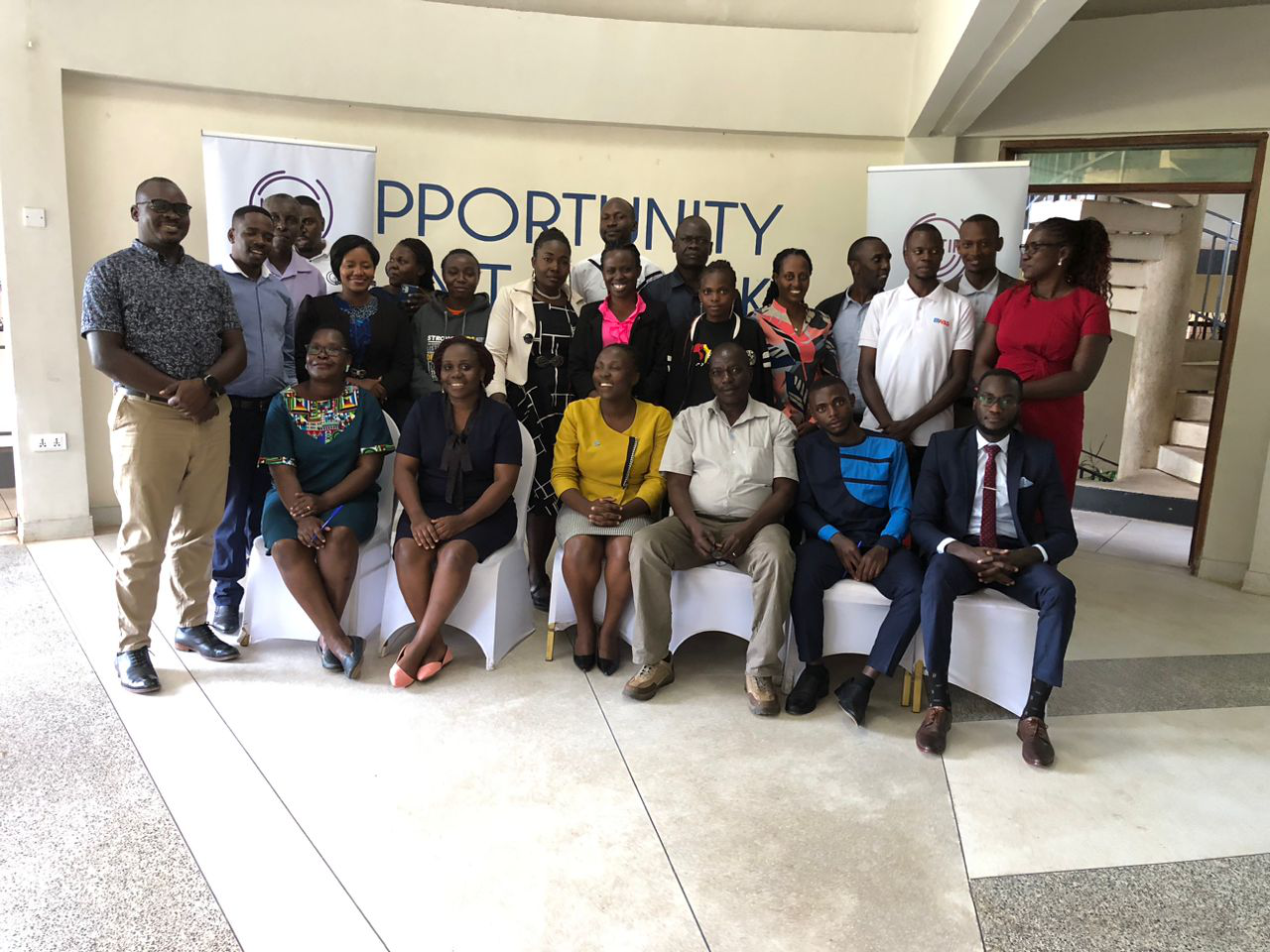
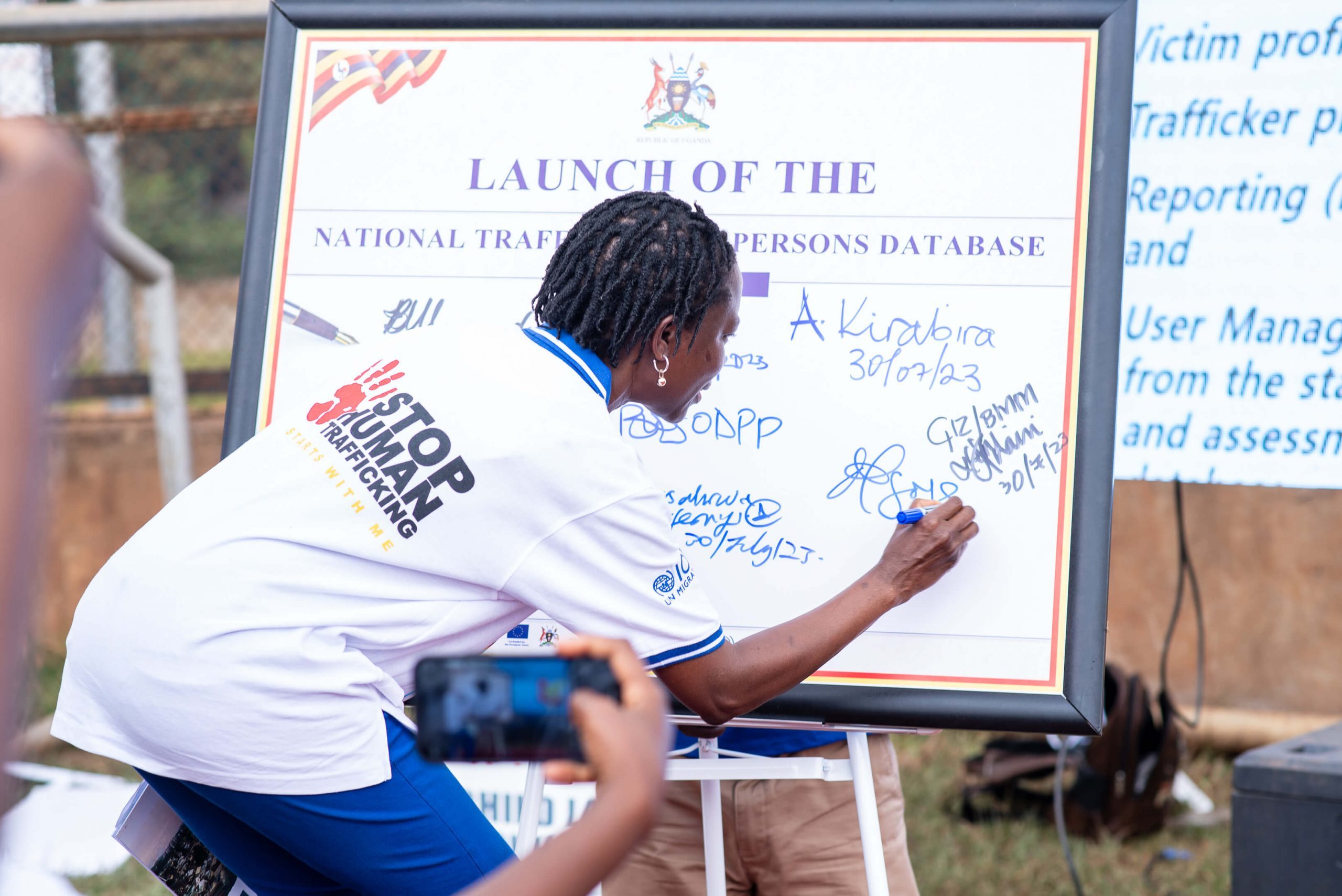
Recognising the need for intervention, the Coalition Against Trafficking in Persons-Uganda (CATIP-U), in collaboration with the German-Uganda Development Cooperation through the Better Migration Management Programme (BMM), has taken a proactive approach to create a coordination platform for referral and sustainable solutions for victims of trafficking and vulnerable migrants.

Preliminary findings from a mapping exercise that we conducted in 2022 revealed the existence of a significant number of non-state actors, such as local NGOs and international organisations, that offer services aimed at enhancing socio-economic opportunities for victims and vulnerable migrants. However, the transition of victims into the labour market remains a hurdle. To bridge this gap, CATIP-U identified and conceptualised that the involvement of the private sector is a crucial factor in providing sustainable solutions to this issue. As a result, we have now launched and initiated dialogues towards establishing a coordination platform between CSOs and private sector players.

The main objective of these dialogues and organised engagements is to initiate discussions and determine the working modalities of the coordination platform. This platform will aim to create linkages between service providers and the private sector, enabling comprehensive support for victims. By bringing together key stakeholders, including CSOs and private sector players, the platform will enhance collaboration and ensure a more targeted response to the needs of victims and vulnerable migrants. The establishment of this coordination platform will lead to several tangible outcomes, especially towards enhancing access to sustainable solutions (i.e., economic activities and other services) for victims of trafficking, vulnerable migrants, and returned labour migrants and linking them to socio-economic and livelihood opportunities.

According to the 2022 report from the U.S. Department of State and the national report on trafficking in persons in Uganda 2021, access to adequate services and sustainable solutions for the victims of trafficking in persons and vulnerable migrants remains a challenge, and this results in re-victimisation of the victims of trafficking.

Currently, most of the protection services are directly offered by non-state actors, particularly local NGOs and international organisations. The preliminary findings from the mapping of sustainable solutions in Uganda undertaken by CATIP-U with support from BMM II indicated that 78% of members and nonmembers of the coalition offer a wide range of services that aim at enhancing access to socio-economic opportunities for the VoTs and vulnerable migrants for sustainability purposes. While service providers provide vocational and life skills to VoTs and vulnerable migrants, oftentimes the victims are unable to transit into the labour market. In addition, the role of the private sector in supporting VoTs and vulnerable migrants to access sustainable solutions was identified as a key facilitator, thus the need to actively engage them and create linkages between the service providers and the private sector players.

By establishing this coordination platform, CATIP-U and its partners aim to address these challenges, combat trafficking in persons, and protect vulnerable populations. Through enhanced collaboration and the provision of sustainable solutions, we can work towards building a safer and more secure future for victims of trafficking and vulnerable migrants in Uganda.

Special thanks to all the partners that are part of these engagements including; Women Probono Initiative, Federation of Uganda Employers, Dwelling Places, Emerging Solutions Africa, The Salvation Army, Make A Child Smile, Mukono Youth Advocacy Alliance, Human Trafficking Institute, East Africa Youth Network, Barisa Fashions, tailors and designers, Buikwe Touch Rehabilitation Ministries, Footprint to Freedom, Uganda Association of External Recruitment Agencies (UAERA), Platform for Labor Action, Willow International, Maya Center for Social Innovation, Strong Minds Uganda, GIZ-Better Migration Management (BMM) and GIZ Employment and Skills for Development (E4D).